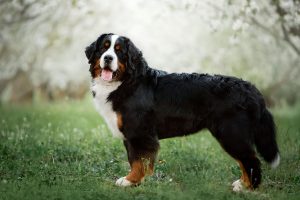
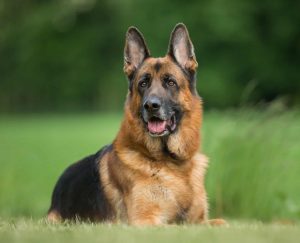
 Canine hip dysplasia, or CHD, if caught early enough can be managed naturally to maintain function and reduce pain for years. If your dog is one of the breeds that is prone to CHD, the best way to help them live a long productive life starts with nutrition.
Nutrition and weight are two important factors to determine if your furry friend will suffer from CHD or not. Excess weight puts stress on the hip and joints and can lead to CHD. According to most vets you should be able to feel your dogs ribs but not see them, this would mean your dogs body score is within the proper range. There are so many different types of dog food out there today, it’s difficult to tell which is the best one for your furry friend. Dry kibble, canned dog food, bagged fresh food, raw meat diet, just to name a few. Some vets promote the food they sell in their office, but that doesn’t mean it’s the best for your pet. Spend some time and research online to discover what food would work for you and your pet. If they won’t eat it, doesn’t matter how nutritious it is.
Anti-inflammatory and joint supplements can also make a difference in your pets mobility. try and locate supplements that only contain natural ingredients, that have a good absorption rate. There are numerous websites that offer essential oils for pets that would work as well. Another supplement recommended by vets is omega-3 fatty acids, like fish oil, which contains vitamins E and C which reduce oxidative stress and free radicals that damage joint tissue.
There is also physical therapy or hydrotherapy to help relieve discomfort and increase their mobility. If there is one in your area, some vets practice acupuncture and laser therapy for pets.
In my opinion, the biggest key to helping your furry friend is EARLY detection. Early detection along with supportive care, good nutrition and monitored activity can reduce the severity of CHD in their latter years. Please remember, a pet is not a toy or a hobby, but a lifelong commitment!