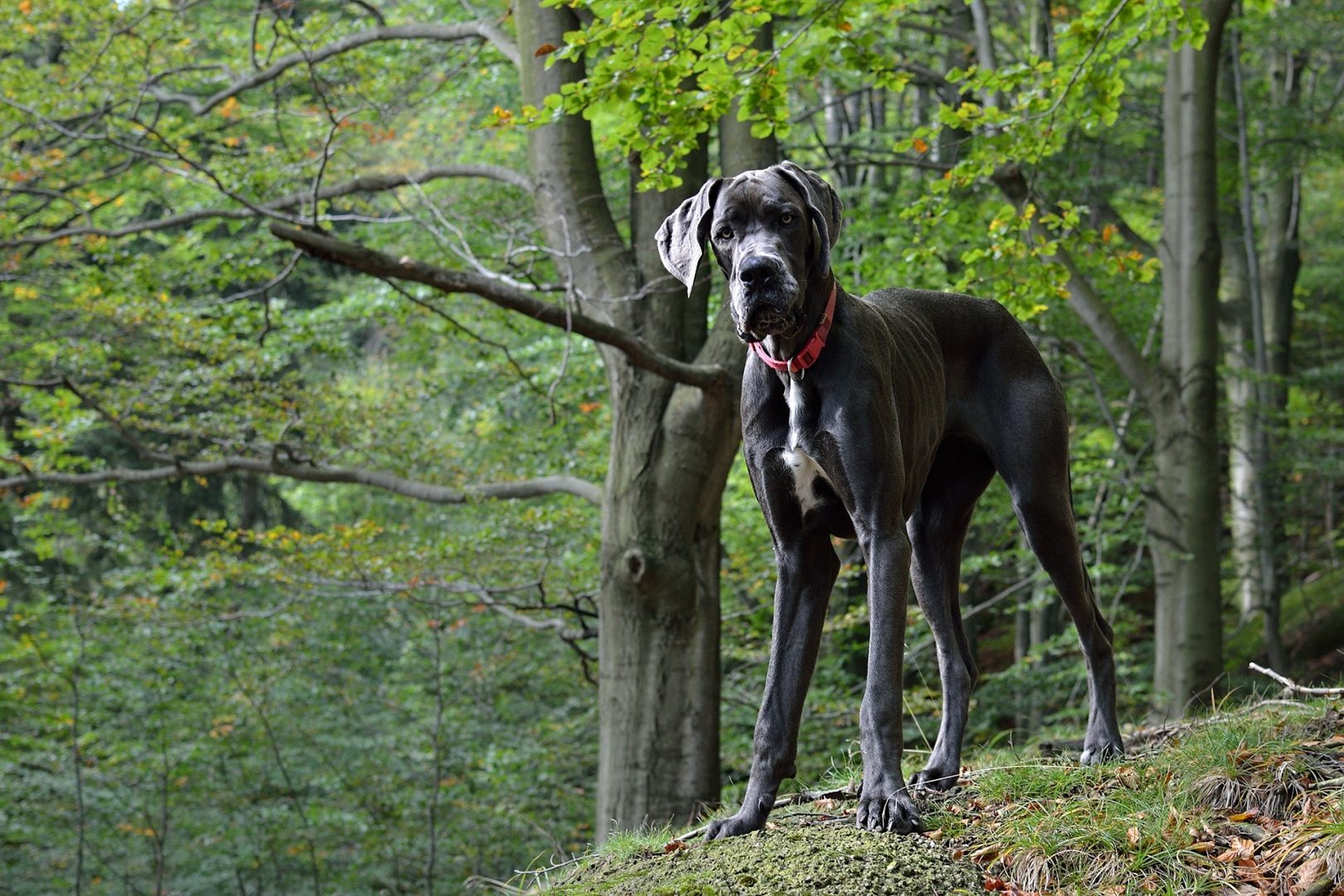
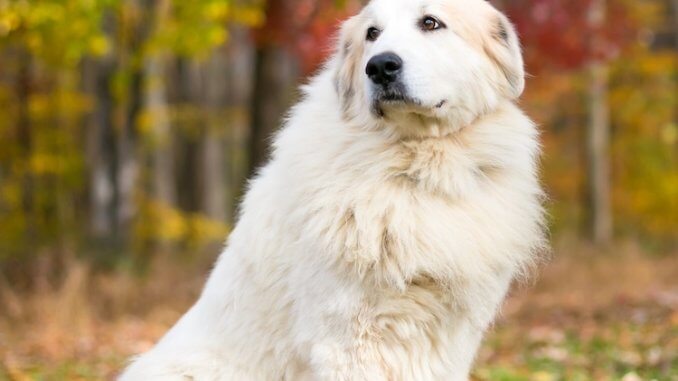
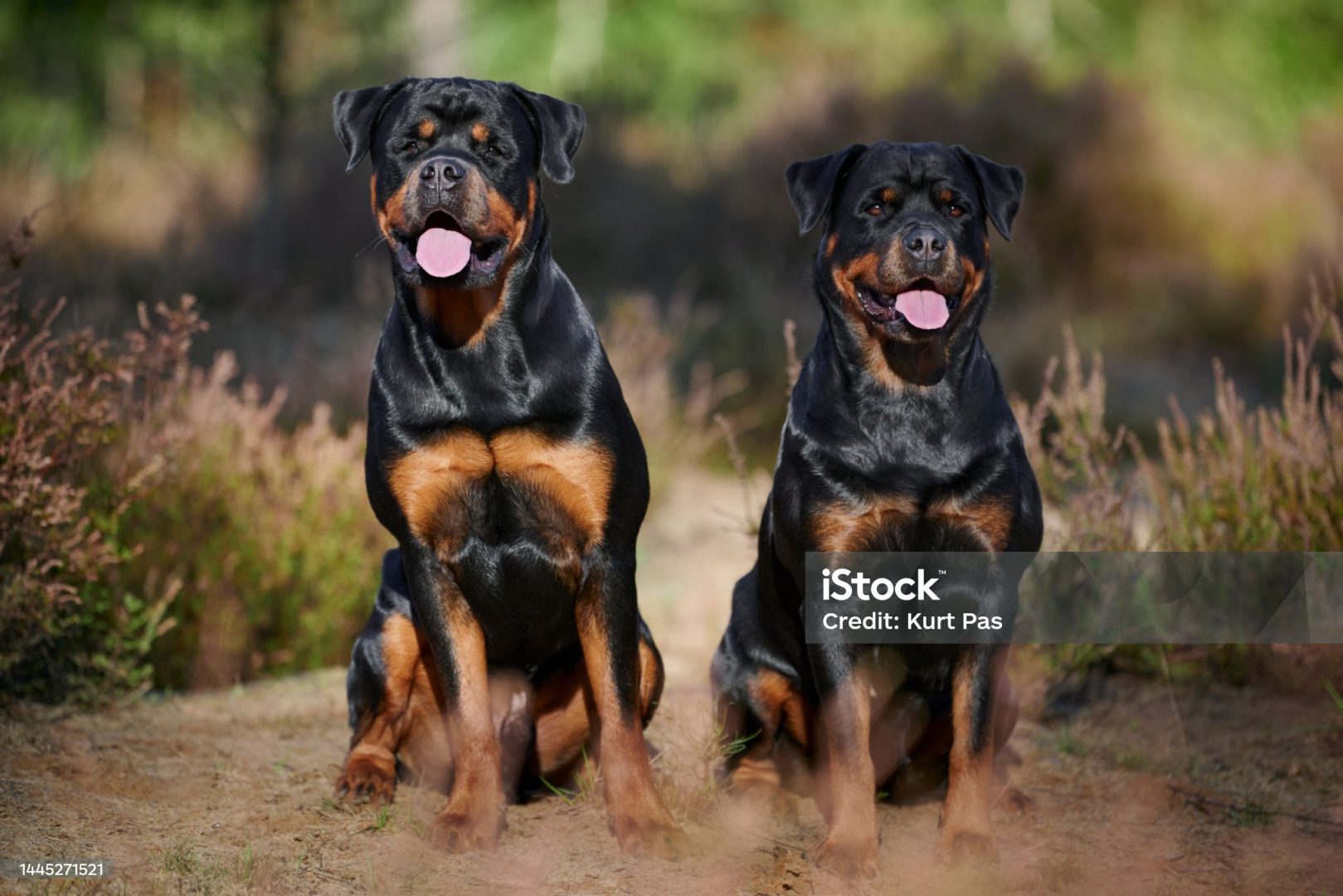
Hip dysplasia happens when the dogs hip joint does not develop properly. The hip joint is made up of the femoral head, the ball, that fits into the hip socket. If the socket is shallow or the ball is loose the joint becomes unstable. Some signs of the instability are:
Limping
Trouble getting up
Stiffness
Will not jump or climb stairs
Decreased activity
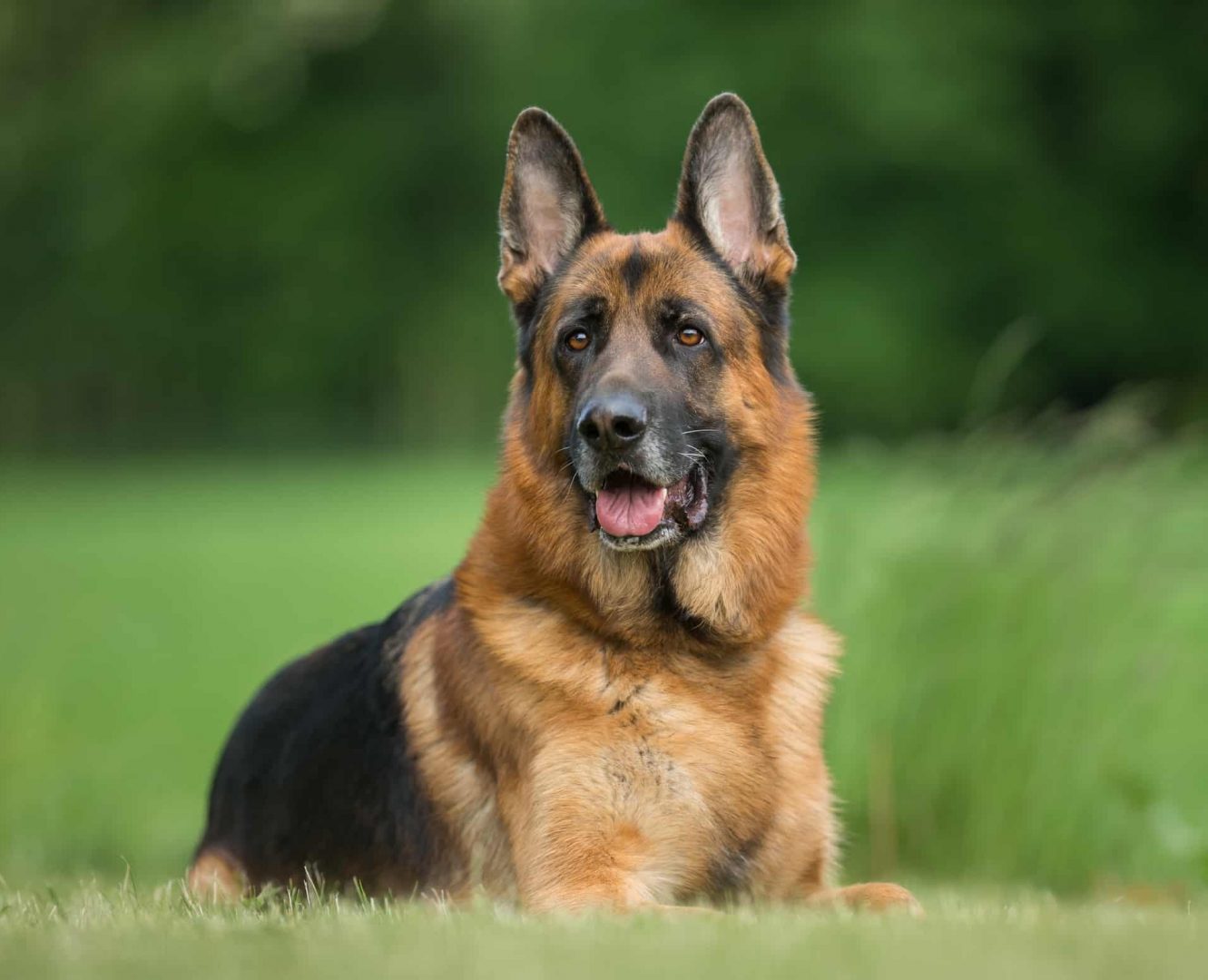
Hip dysplasia is common in large and giant breed dogs. Genetics play a role in this condition as well as rapid growth, weight and excessive exercise during puppyhood. Certain breeds such as German Shepherds, Rottweilers, Great Danes, and Great Pyrenes, are predisposed to this condition. When detected early, there are non-surgical options available to help your furry friend. Some studies have shown that early spaying and neutering can also lead to hip dysplasia.
Weight management
Better nutrition
Joint supplement chews or drops
Non-steroidal anti-flammatory prescriptions
Natural treatments when appropriate
When you notice any of the warning signs of hip dysplasia, please contact your local vet as soon as possible, early detection can make a lot of difference in the life of your furry friend.